Within a circular economy, soil is treated as a resource to be retained rather than removed. Recycled topsoil is recovered, screened, and returned to use so that existing material remains in productive circulation. By keeping soil within the construction and landscape cycle, we reduce unnecessary extraction and protect a finite natural asset.

Carbon capture is often discussed in simple terms, but in practice it is complex and highly dependent on context.
In landscapes and horticulture, carbon capture refers to the natural process by which plants absorb carbon dioxide from the atmosphere and store it within organic matter, soils and living systems. Materials such as soils, composts, turf and woody products can retain carbon while they are in use, contributing to longer-term carbon storage when managed appropriately.
At Corker, our focus is not on headline figures or claims. It is on understanding how carbon interacts with the materials we work with, how long it is retained, and the conditions under which it is released. This understanding helps inform better decisions about sourcing, use and end-of-life outcomes.
We are careful to explain carbon storage in context. Organic materials behave differently over time, and stored carbon is not permanent. That is why we do not present carbon capture as an offset or a guaranteed outcome. Instead, we treat it as one part of a wider system of responsible material use and long-term thinking.
Where carbon storage is referenced in relation to specific products, we provide detailed, referenced explanations separately. These documents set out assumptions, boundaries and limitations clearly, allowing the information to be understood and used responsibly.
Carbon capture matters, but only when it is approached with care, clarity and honesty. That is the standard we apply.
How Our Products Create Carbon Capture
Our products work with natural processes to remove CO₂ from the atmosphere
and store it in your garden:
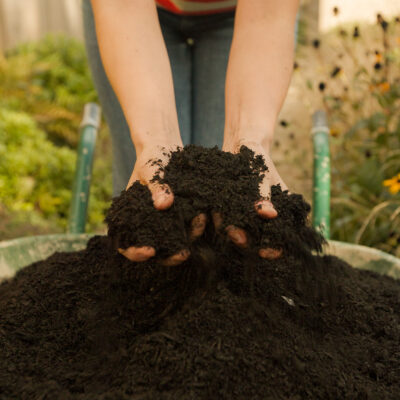
Recycled Topsoil
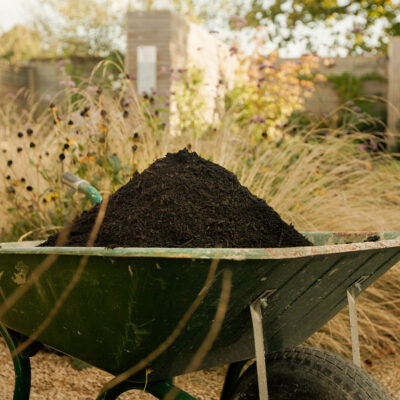
Green Compost
Green compost supports circular thinking by transforming organic landscape cuttings into a stable soil improver. Material that might otherwise become waste is matured and returned to the ground, closing the loop between growth, maintenance, and regeneration. Nutrients are kept within the natural cycle rather than lost.
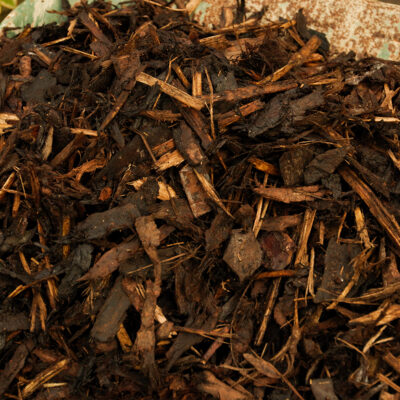
Bark Mulch
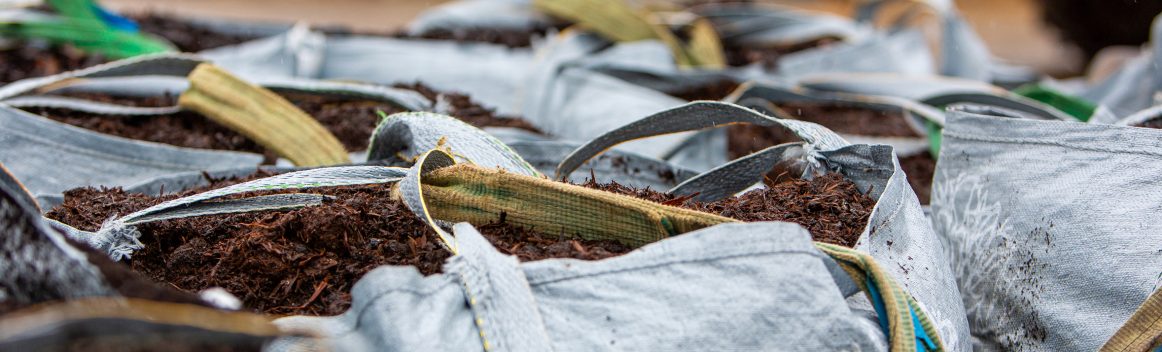
Bark mulch is a by-product of timber processing that, rather than going to waste, is recovered and used in landscaping. It suppresses weeds, retains moisture, and protects soil, and as it breaks down, it returns organic matter back to the ground. Derived from tree growth, it stores biogenic carbon and supports soil health over time, making it a circular economy material that keeps resources in productive use rather than sending them to waste.
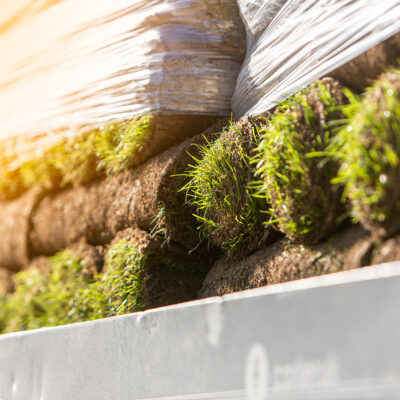
Turf
Turf operates within a biological cycle. Grown, harvested, installed, and maintained, it remains part of a living system. When managed responsibly, turf contributes to soil stability, biodiversity, and long-term landscape performance, reflecting circular principles based on renewal rather than replacement.
Carbon Capture Metrics
01
Green Compost 1 ton captures approximately 0.6-1.3 tons of CO₂ Perfect for: Garden beds, vegetable plots and planting.
02
Bark Mulch 1 cubic meter captures approximately 0.8 tons of CO₂ Perfect for: Decorative beds, weed suppression, and moisture retention.
03
Mushroom Compost Spent mushroom compost sequesters carbon by enhancing soil organic matter Studies suggest organic amendments like compost can sequester between 0.5 to 1.5 tons of CO₂ per hectare per year Perfect for: Improving soil structure, promoting plant growth, and increasing carbon storage in soil.
04
Turf/Grass 1 square meter captures approximately 0.5-1.5 kg of CO₂ per year. A healthy lawn typically captures more CO₂ with deeper root systems and proper maintenance Perfect for: Creating carbon-capturing outdoor spaces with a 50m radius of environmental benefit.
05
BS3882:2015 Certified BS3882:2015 is the British Standard specification for topsoil that is moved or traded, setting out requirements for its physical and chemical properties, including texture, pH, nutrient content, organic matter, and contaminant levels, to ensure it is fit for purpose. Read More
06
Topsoil 1 ton with 2% organic carbon captures ~73.4 kg of CO₂ Perfect for: New garden creation, lawn establishment, and raised beds.
07
Our Estimated Quarterly Impact: 1200+ tons of CO₂ captured That’s equivalent to taking 260 cars off the road for every quarter!
Our Work in Progress
We’re currently developing a Carbon Calculator to better measure the environmental benefits of our
products. This will allow customers to understand their garden’s contribution to carbon sequestration and
make more informed, eco-conscious choices.
While this tool is in development, our goal remains the same to continually refine our approach and offer
sustainable solutions that genuinely make a difference.
Stay tuned as we roll out more ways to quantify and
improve the impact of every Corker product.