Within a circular economy, soil is treated as a resource to be retained rather than removed. Recycled topsoil is recovered, screened, and returned to use so that existing material remains in productive circulation. By keeping soil within the construction and landscape cycle, we reduce unnecessary extraction and protect a finite natural asset.

For us, the circular economy is not a concept, it is a way of working.
In simple terms, it means keeping materials in use for as long as they make sense, extracting as much value from them as possible, and thinking carefully about what happens at the end of their useful life. It is about reducing waste, not by adding complexity, but by making better decisions at the start.
Many of the materials we work with already sit within natural or recovered cycles. Soils, composts, organic matter and recycled products are part of systems that regenerate, break down and return value over time. Our role is to respect those systems, understand their limits, and use them responsibly.
A circular approach does not mean every material lasts forever. It means understanding lifespan, performance and end-of-life outcomes and choosing options that reduce unnecessary extraction, disposal and loss wherever possible.
This is not about perfection. It is about practical, repeatable choices that make sense over the long term.
The Circular Economy Cycle
Our products complete a natural cycle that mimics the way
resources flow in nature:
01
Source Materials We carefully select materials with sustainability in mind, incorporating recycled and responsibly sourced options wherever possible, while continuously exploring more sustainable alternatives.
02
Use in Garden Our products fulfill their purpose in your garden, contributing to beautiful, thriving spaces.
03
Natural Breakdown Over time, materials like compost and bark naturally decompose.
04
Enrich Soil Decomposition returns nutrients to the soil, enhancing its structure and fertility.
05
Support Growth Enriched soil supports new plant growth, completing and continuing the cycle.
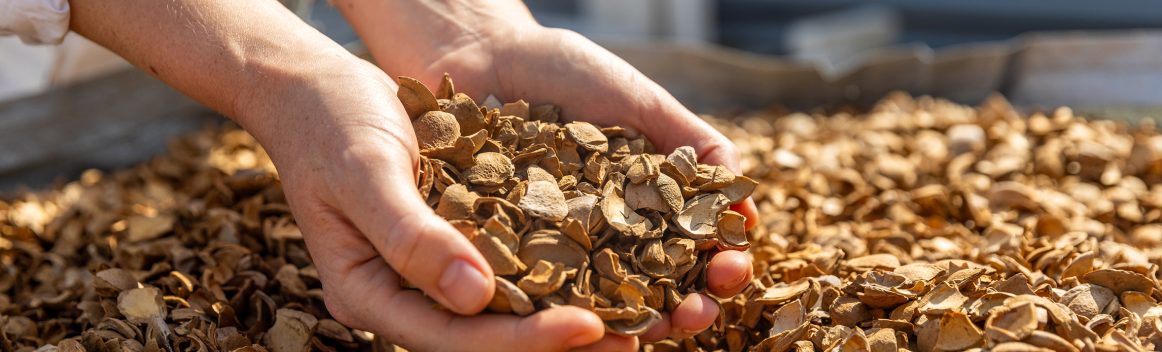
Recycled & Natural Landscape Materials
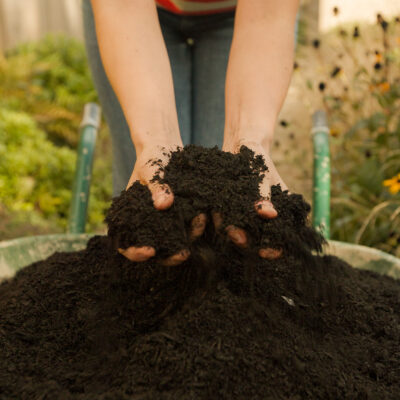
Recycled Topsoil
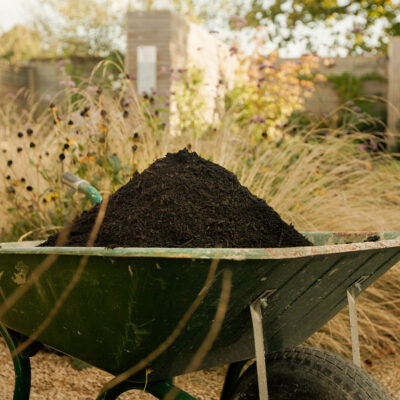
Green Compost
Green compost supports circular thinking by transforming organic landscape cuttings into a stable soil improver. Material that might otherwise become waste is matured and returned to the ground, closing the loop between growth, maintenance, and regeneration. Nutrients are kept within the natural cycle rather than lost.
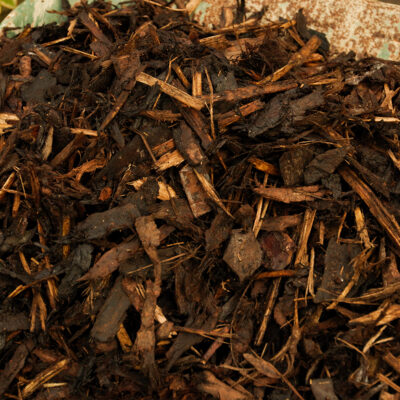
Bark Mulch
Bark mulch is a by-product of timber processing that, rather than going to waste, is recovered and used in landscaping. It suppresses weeds, retains moisture, and protects soil, and as it breaks down, it returns organic matter back to the ground. Derived from tree growth, it stores biogenic carbon and supports soil health over time, making it a circular economy material that keeps resources in productive use rather than sending them to waste.
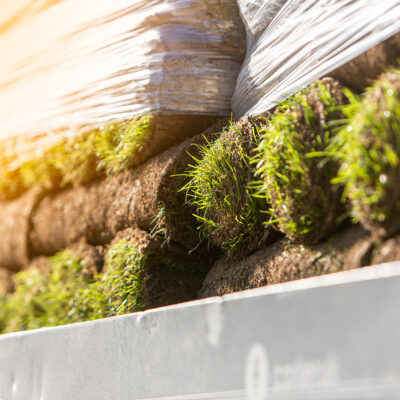
Turf
Turf operates within a biological cycle. Grown, harvested, installed, and maintained, it remains part of a living system. When managed responsibly, turf contributes to soil stability, biodiversity, and long-term landscape performance, reflecting circular principles based on renewal rather than replacement.
Looking Ahead
Over time, we intend to bring our environmental practices into closer alignment with ISO 14001. This isn’t about adding a badge, but about giving clearer shape to the way we already work with care, consistency, and a commitment to steady improvement.